




Patents, like any security documentation, are characterized by an abundance of not only characteristic terms, but also archaisms that are no longer used outside the scope of security activities at this point of time. This should be taken into account when doing English to Russian patent translation. A number of words have different established meanings depending on the section of the patent wherein they are used.
Typical phrases, cliches, used in patents are not always translated English to Russian literally or close to it. In another language there are often only semantic synonyms for them. Patent documentation in different languages, when translated from English to Russian, has its own lexical features. For example, the English patent language is characterized by redundancy. It is expressed in the use of synonyms, nouns and verbs at the same time.
When it comes to Russian patent translation, a phrase in English that some invention leads to an increase in the efficiency of a process limitation, the variant would retain improvement and increase, both within the framework of "increase". Accordingly, when translating into English, the translator needs to artificially create this tautological text and remove it from English into Russian, on the contrary, translating synonyms into English.
Also, Russian patent translations are characterized by the construction of sentences in first person; constructions are unusual for Russian documentation, so the phrase must be reformulated to preserve the meaning. In other words, rewriting is allowed as part of Russian patent translation that does not affect the meaning of the source text.
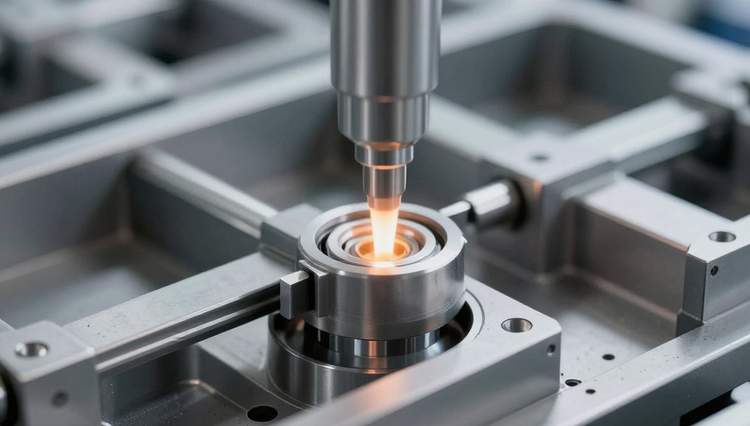
Translation of a patent describing a multilayer additive forming method for composite parts ensures accurate conveyance of the invention concept, including sequential layer deposition, material parameters and conditions required to obtain the finished structure

This translation relates to a patent describing a recombinant insulin biosynthesis method, covering core stages of the technological process, applied microorganisms, purification parameters and conditions for obtaining a pharmaceutically active substance

Translation of a patent for a method of adaptive radar interference filtering is required to understand the invention concept, analyse suppression algorithms and correctly apply technical solutions for patent registration and legal protection

Translation of a patent for an optical microcrack identification system focuses on accurate rendering of the technical concept, operating principles and claimed benefits of the solution used for non-destructive material inspection
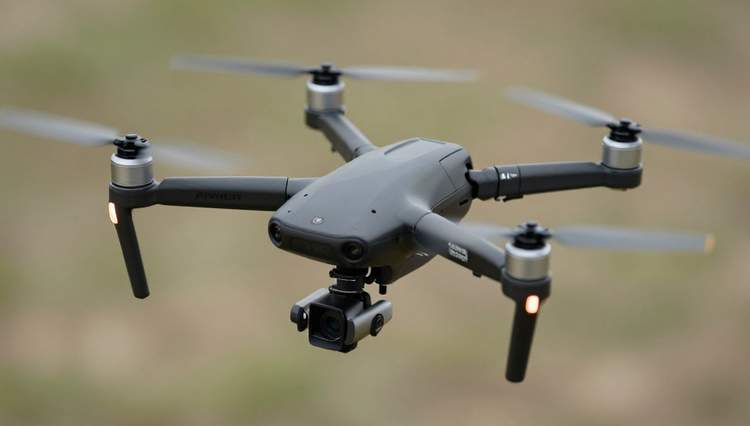
Translation of the patent for an intelligent drone stabilization device describes an innovative flight control system providing automatic leveling, navigation accuracy, and protection against external disturbances for unmanned aerial vehicles

Translation of a patent for a quantum cryptographic authentication device conveys the technical concept of securing communication channels, explains system architecture and key generation principles, and ensures accurate understanding of the scope of legal protection
Warning: This website was developed for Beltran Translations and is the property of Beltran company. It is prohibited to use the information appearing at this website without the rigtholder's permission. The information on the website is the property of Beltran Translation Agency.
Beltran Translations is a Belarus based company offering English to Russian translation services, including written technical and legal translation. We have been providing Russian translation services for 20+ years, we are experts in our field who delvier Russian translations at really affordable rates.